

What to Expect From at-Home Ketamine Therapy
Ketamine therapy can sound a little scary at first, especially when you hear about side effects online. When we talk with people who are dealing with depression, anxiety, PTSD, or chronic pain, the same questions usually come up: What will I feel, and will I be safe? As stress builds up in the fall and holiday season, those questions matter even more.
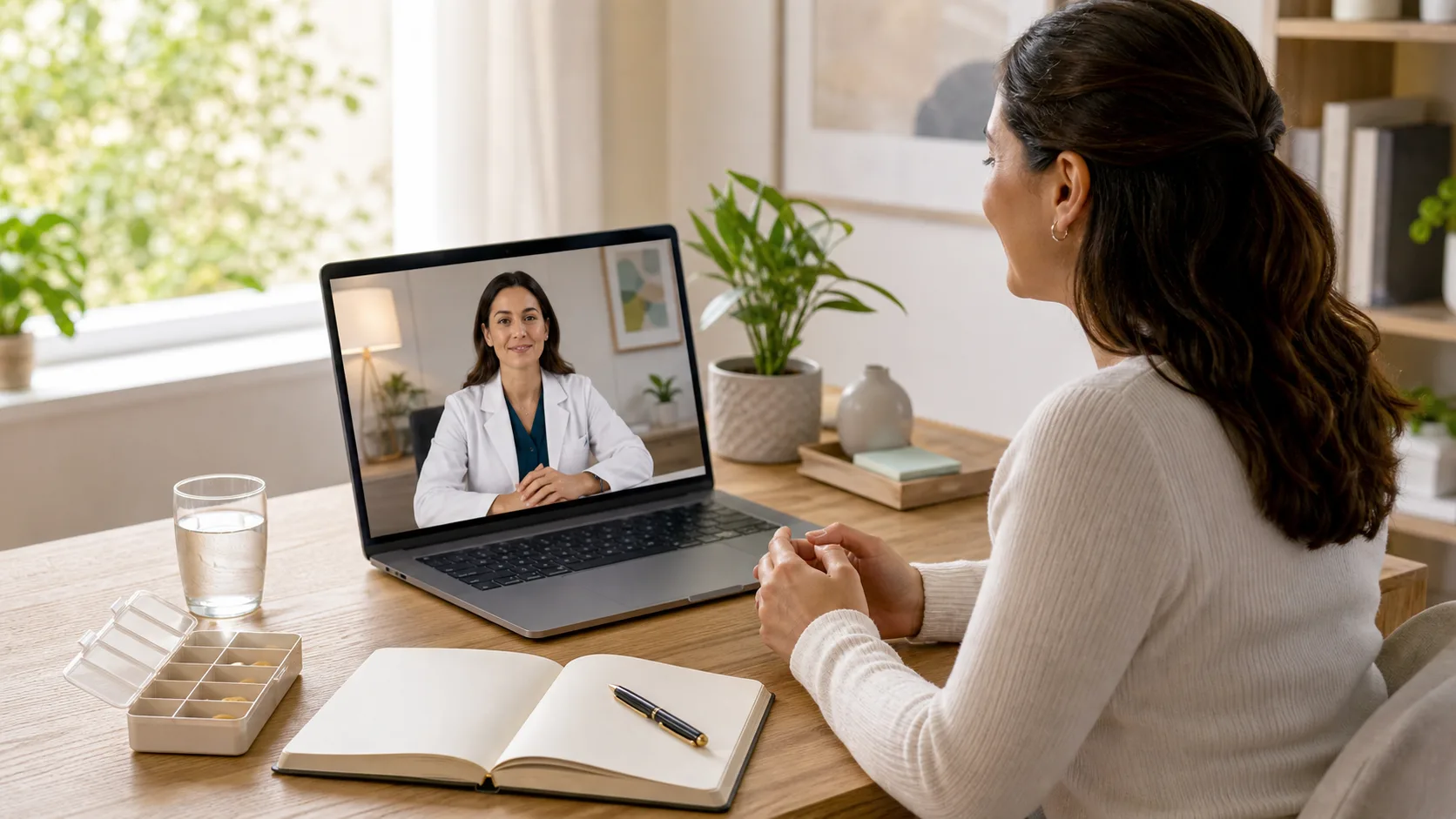
Ketamine therapy uses a well-known medicine in a carefully planned way to help lift mood and shift stuck thought patterns. In at-home telehealth care, you are not alone. A licensed physician evaluates you by video, creates a plan that fits your health needs, and gives clear instructions. Medication is supplied through a trusted pharmacy, and during your treatment time you have structured support and follow-up from your care team.
Here is what that process often includes:
- A virtual health review and mental health screening
- Clear education on ketamine therapy side effects and what to expect
- Step-by-step guidance for your first at-home session
- Regular telehealth check-ins as you move forward
Most side effects are short-lived and manageable when therapy is physician-led and safety rules are followed. Our goal is to help you feel prepared, not surprised.
How Ketamine Therapy Works in the Brain and Body
To understand side effects, it helps to know a little about how ketamine works. Ketamine affects brain receptors, including ones linked to glutamate, a chemical that helps brain cells talk to each other. By shifting how these receptors act, ketamine can help the brain break out of old, unhealthy patterns of mood and thinking.
You might hear people say ketamine helps the brain “reset.” That word is simple, but it points to some real changes inside the brain. When those pathways shift, you may feel:
- Short-term changes in senses, like light or sound feeling more intense
- A different sense of time or space
- Mood changes that can feel odd or unfamiliar
In the body, ketamine can briefly affect heart rate, blood pressure, and balance. That is why some people notice dizziness, a floating feeling, or mild nausea. These effects are usually mild and pass as the medicine wears off.
Knowing that these reactions come from how ketamine works in the brain can lower fear, especially when life is already busy or emotionally heavy. When you understand that certain sensations are expected and temporary, it is easier to stay calm and focused on your treatment plan.
Common Ketamine Therapy Side Effects You May Notice
Most people who use ketamine with medical guidance will notice at least a few short-term effects. These can feel strange but are usually not dangerous when you are screened and monitored.
Common short-term ketamine therapy side effects include:
- Mild dissociation, or feeling a bit detached from your body or surroundings
- Changes in vision or perception, like colors or shapes feeling different
- Dizziness or a wobbly feeling when you stand up
- Nausea or a light upset stomach
- Fatigue, heavy limbs, or feeling tired afterward
- Temporary rise in blood pressure or heart rate
In an at-home session, these effects usually:
- Start within minutes of taking the dose
- Peak during the main part of the session
- Fade over the next few hours
Most people are able to rest quietly while the effects pass. Many like to use soft music, dim lights, and a comfortable place to lie down. It is smart to plan for the rest of the day to be low-key, with no driving or important tasks.
You should get urgent help if you notice:
- Chest pain, trouble breathing, or pressure that feels worrying
- Severe confusion, extreme agitation, or thoughts of hurting yourself or others
- Very strong, pounding headache with vision changes
- Signs of dangerously high blood pressure that your care team has warned you about
Your telehealth doctor will explain which symptoms you should report right away and when to seek emergency care instead of waiting. Clear plans ahead of time keep you safer during every session.
Staying Safe with at-Home Telehealth Ketamine Sessions
At-home ketamine care should never mean “on your own.” A big part of safety is what happens before your first dose. Your care team will review:
- Full health history and current medications
- Heart and blood pressure concerns
- History of substance misuse or risky behaviors
- Past mental health diagnoses and treatments
If certain risks show up, your doctor may adjust your plan or suggest a different type of care. Safety always comes first.
You can also prepare your space and schedule to lower side effects and stress:
- Choose a quiet, calm room with soft light
- Have a trusted support person nearby or on call
- Wear comfortable clothes and have water within reach
- Eat a light meal ahead of time so you are not too full or too hungry
- Plan no driving, heavy lifting, or major decisions for the rest of the day
With telehealth care, you can have real-time check-ins, symptom tracking, and follow-up visits. If side effects feel stronger than expected, your doctor can guide you, adjust doses, or change timing. This blend of at-home comfort and medical oversight is especially helpful during the busy fall season in Arizona, when heat, schedules, and family plans can add extra pressure.
Long-Term Considerations and Who Should Be Cautious
Ketamine therapy is not just about a single session. Over time, it is important to watch for patterns. Some people may be at risk of:
- Wanting to take more than prescribed
- Using ketamine outside of a medical plan
- Relying only on ketamine and skipping other helpful supports
Physician-led care sets limits, structures doses, and keeps an eye out for any early signs of misuse or psychological dependence. Regular check-ins give you space to talk about how you feel between sessions and how your daily life is changing.
Ketamine therapy is not a good fit for everyone. People who may need to be cautious include those with:
- Certain heart problems or uncontrolled high blood pressure
- Active substance misuse that is not being treated
- Untreated psychosis or some mood conditions that can be made worse by dissociation
Your telehealth doctor can discuss your specific health picture and suggest other options if ketamine is not right for you.
For many, ketamine works best as one piece of a bigger wellness plan. That plan can include:
- Ongoing mental health support or counseling
- Attention to sleep, food, and gentle movement
- Regular check-ups for hormone balance or other medical concerns
This full-picture approach helps changes in mood and thinking last longer and feel more stable.
How Arizona Telehealth Services Supports Safe Next Steps
At Arizona Telehealth Services, we know that words like “ketamine therapy side effects” can bring up fear and curiosity at the same time. Our role is to walk with you through both. We offer physician-led, fully online care, so you can ask questions, share worries, and get clear, honest answers without leaving home.
Because we also care for mental health, hormone balance, urgent needs, and other concerns, we can look at your whole health story, not just one symptom. That matters a lot as we move into fall and the holiday months, when old patterns of stress, low mood, and burnout often show up again.
With thoughtful screening, clear safety plans, and ongoing support, at-home ketamine therapy can be approached in a calm, informed way. When you know what to expect and how side effects are handled, it becomes easier to decide whether this treatment might fit into your life and your goals for feeling better.
Take The Next Step Toward Informed, Safe Treatment
If you are considering ketamine as part of your mental health care, understanding potential ketamine therapy side effects is essential. At Arizona Telehealth Services, we take time to walk you through what to expect, answer your questions, and tailor a plan to your specific needs. Schedule a consultation with us so we can review your history, discuss benefits and risks, and decide together whether ketamine therapy is the right option for you.