

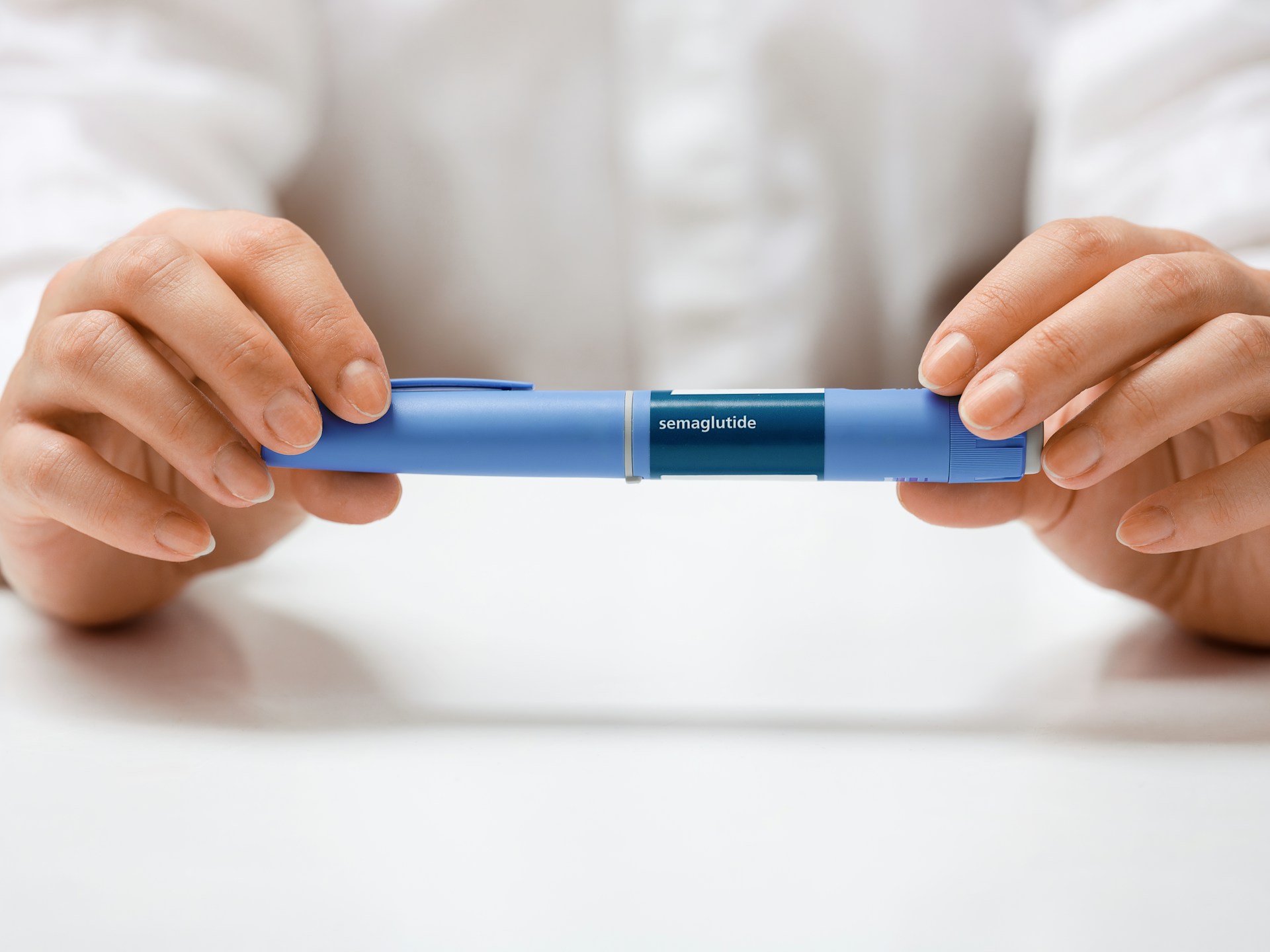
Why Semaglutide Is Changing Long-Term Weight Loss
Many people start the year excited about a strict diet, then feel burned out by late February. The weight comes off a little, then stalls, then creeps back. That cycle is exhausting, and it can make you feel like you failed, even when you worked very hard.
Semaglutide and other GLP-1 medical weight loss options work in a different way. Instead of asking you to rely only on willpower, they work with your body’s signals that control hunger and fullness. That shift can make long-term weight loss feel more realistic, especially when you also make simple lifestyle changes.
At Arizona Telehealth Services, we focus on clear, subscription-based virtual care for weight loss and other health needs. Our goal is to help you work with your biology, not fight it. In this article, we will compare semaglutide with traditional diets, talk about long-term safety and habits, and help you think about whether GLP-1 medical weight loss might fit your goals this year.
Why Traditional Diets Struggle to Deliver Lasting Results
Traditional diets usually focus on one main rule: eat less. That may look like:
- Low-carb or keto plans
- Low-fat diets
- Very low-calorie plans and meal replacements
- Short-term cleanses and “detox” programs
These plans can lead to fast changes on the scale at first. You cut out favorite foods, you measure every bite, you white-knuckle your way through cravings. But your body notices the drop in calories and starts to push back.
When you lose weight through strict restriction, your body can:
- Slow down your metabolism to conserve energy
- Increase hunger hormones so you think about food more
- Reduce your natural daily energy, so you move less without even trying
That is why cravings often hit hard right after “diet season.” You may feel obsessed with snacks, wake up hungry at night, or feel tired and chilled. It is not that you have no discipline, it is that your biology is trying to protect you from what it sees as a shortage.
Emotionally, this can be draining. Many people:
- Slip into all-or-nothing thinking
- Plan “cheat days” that turn into “cheat weekends”
- Feel guilty when the scale goes back up
Over time, repeated yo-yo dieting can leave you with less muscle, more fatigue, and more frustration. It can also make you doubt yourself and give up on small, steady changes that actually fit your life.
How Semaglutide and GLP-1 Medications Work in the Body
Semaglutide is part of a class of medicines called GLP-1 receptor agonists. It was first used to help people manage diabetes. Now, under medical supervision, it is also used for GLP-1 medical weight loss.
Here is what it does in simple terms:
- Slows stomach emptying, so you feel full longer after meals
- Helps keep blood sugar more steady, which can reduce energy crashes
- Signals certain areas in the brain that control hunger and appetite
The result for many people is less “food noise.” That constant inner chatter about snacks, seconds, and sweets gets quieter. Portion sizes often shrink naturally, without feeling like you are in a daily battle with your plate.
Traditional diets expect you to fight strong hunger signals with willpower alone. Semaglutide changes those signals at the source. It does not magically fix everything, but it gives you breathing room. With less intense hunger and fewer spikes and crashes, it can be easier to choose balanced meals, plan ahead, and stop when you are comfortably full.
It is important to know what semaglutide cannot do. It will not:
- Replace every need for healthy food choices
- Take care of movement, sleep, or stress on its own
- Guarantee weight loss for everyone in the exact same way
Semaglutide is a tool, not the whole toolbox. It works best when paired with nutrition guidance, movement you can actually keep up with, and support for mental health and daily habits.
Semaglutide vs. Traditional Diets for Long-Term Success
When people follow most traditional diets on their own, they often see early success, then hit a wall. Hunger climbs, life gets busy, and old habits slowly return. Without changes to the biology of appetite, it is very hard to maintain big shifts in how you eat.
With semaglutide and other GLP-1 options under medical care, many people are able to:
- Stay more consistent with smaller portions
- Feel satisfied with simple, balanced meals
- Avoid some of the intense rebound hunger after weight loss
Long-term success is about more than the number on the scale. With steady, medically guided weight loss, some people also see improvements like easier blood pressure control or better blood sugar readings. The key point is that the changes can be maintained once the “resolution rush” is over, as long as treatment and healthy habits continue.
A common worry is that GLP-1 medical weight loss might be “cheating.” But learning healthy habits while your hunger is calmer can actually feel more doable. When your brain is not yelling for high-sugar and high-fat foods every hour, it is much easier to:
- Plan balanced meals
- Eat slowly and notice fullness
- Keep a simple movement routine
Safety is another big difference compared to extreme diets or over-the-counter pills. With prescription GLP-1 medicine, licensed providers can:
- Start at a low dose and adjust slowly
- Watch for side effects and help manage them
- Check in on your mood, energy, and overall health
That kind of steady, guided approach is very different from taking random diet supplements or trying crash diets on your own.
Building a Sustainable Plan Around Semaglutide
A strong telehealth weight loss plan is more than a prescription. At Arizona Telehealth Services, care happens through virtual visits, so you can check in from home or work. A typical plan can include:
- Medical history review and discussion of your goals
- Personalized dosing for semaglutide, when appropriate
- Lab work when needed to understand your health picture
- Regular online follow-ups to adjust your plan over time
We then layer key lifestyle pieces around the medication. That often means:
- Simple nutrition changes that fit your culture and preferences
- Gentle movement ideas, like walking or short bodyweight routines
- Support for sleep habits, which affect hunger and cravings
- Attention to stress and mental health, since emotions and eating are linked
Seasonal life in Arizona can shape these choices. In cooler winter months, outdoor walks may feel great. As the weather heats up, you might shift to early morning walks, indoor movement, or pool time instead. Goals can also go beyond weight, like:
- Having more steady energy through the day
- Noticing better focus or mood
- Feeling more comfortable in your clothes
- Seeing improvements in lab results
Real change takes months, not weeks. Many people see early differences in appetite, then slower, steady changes in weight and routines. Plateaus are normal. During those times, providers can adjust the dose, review eating patterns, or tweak movement plans so you keep moving forward without panic or shame.
Is GLP-1 Medical Weight Loss Right for You This Year?
Semaglutide might be worth talking about if:
- Your BMI is in a higher range or you have weight-related health concerns
- You have tried multiple diets without lasting results
- You live with conditions like prediabetes, PCOS, or high blood pressure
It also helps to think about your relationship with food. Do you feel stuck in cycles of restriction and rebound? Does hunger feel louder than your goals? What would a realistic “win” look like 6 to 12 months from now? Maybe it is less joint pain, easier movement, or feeling calmer around food, not just a certain number on the scale.
During an initial virtual visit with Arizona Telehealth Services, a licensed provider can review your health history, current medicines, and goals. You can ask about expected benefits, possible side effects, how long treatment might last, and how support for nutrition and mental health fits into the plan.
Long-term weight loss is not about perfection or superhuman willpower. With medical support and tools like semaglutide, you can stop fighting your biology so hard and start working with it, one clear step at a time.
Start Your Personalized, Clinically Guided Weight Loss Journey Today
If you are ready to approach weight management with a medical team on your side, we are here to help. At Arizona Telehealth Services, our licensed providers offer evidence-based GLP-1 medical weight loss tailored to your health history, lifestyle, and goals. We will work with you virtually to monitor your progress, fine-tune your treatment, and support long-term success. Take the next step toward feeling better, improving your health markers, and regaining confidence with a program built around you.
