

Start Smart: Why Screening Matters Before Advanced Care
Starting a new treatment for your health is a big decision. When that treatment is something powerful like a GLP-1 medication or ketamine therapy, it is even more important to slow down and do it right. That is where a remote patient health assessment comes in. It is the careful checkup that happens before any prescription is written or care plan is started.
GLP-1 medications are used for weight loss and diabetes care. Ketamine therapy is used for tough mental health conditions like depression, anxiety, PTSD, and sometimes chronic pain when other options have not helped enough. These tools can make a real difference, but they are not one-size-fits-all. The same dose or plan does not work for every body or every brain.
As late October brings cooler mornings to Arizona and the holidays start creeping onto the calendar, many people begin thinking about weight, stress, low mood, and energy. This season can be hard on both mind and body. A careful remote patient health assessment helps make sure any advanced care is safe, thoughtful, and shaped around the whole person, not just a number on a scale or a symptom on a list.
What a Remote Patient Health Assessment Really Covers
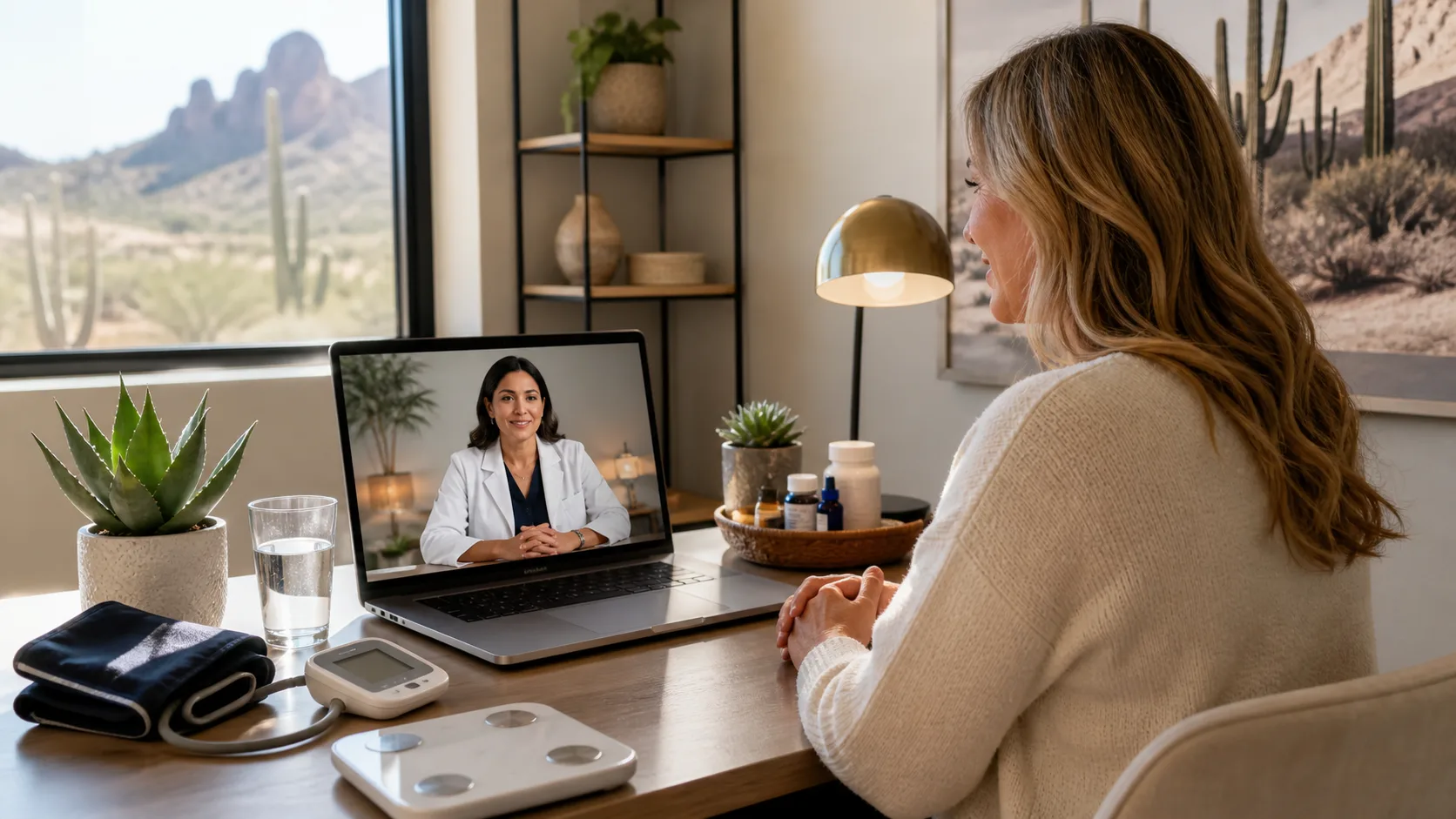
A remote patient health assessment is simply a full health review done online with a real physician. You stay at home, use a phone, tablet, or computer, and connect through secure video. Before the visit, you fill out digital forms so your doctor can start to understand your health story.
That story includes many pieces, such as:
- Medical history, like heart issues, high blood pressure, diabetes, thyroid problems, or past surgeries
- Mental health history, including depression, anxiety, PTSD, or mood swings
- Current medications, vitamins, and allergies
- Past responses to treatments, what has helped, what has caused side effects
- Substance use history, including alcohol or other substances
- Family history, such as heart disease, diabetes, or certain cancers
At Arizona Telehealth Services, this information is used to look for both green lights and red flags. Some health issues, like recent serious heart problems or very unstable mood symptoms, might mean a GLP-1 medication or ketamine therapy is not the safest choice right now. Other times, the information shows that you could be a good candidate, as long as there is close follow-up and a clear plan.
The goal is not to say yes or no in a rush. It is to understand you as a whole person so any advanced care fits your body, your brain, and your daily life.
Safety First: Screening for GLP-1 Weight Loss Medications
When someone is thinking about GLP-1 medication for weight loss or diabetes, the remote patient health assessment looks closely at physical health. Weight is one piece, but it is not the only one that matters. We look at:
- Weight history, including past weight changes and current BMI
- Blood sugar patterns and diabetes history
- Heart and blood pressure history
- Digestive history, like reflux, gallbladder issues, or stomach problems
- Thyroid, liver, or pancreatic concerns
There are also key safety checks with GLP-1 medications. During the assessment, your doctor will ask about:
- Past pancreatitis or gallbladder disease
- Personal or family history of certain thyroid cancers
- Pregnancy or plans for pregnancy
- Current medications for diabetes, blood pressure, or cholesterol
- Any history of severe nausea, vomiting, or dehydration
If GLP-1 treatment is a good fit, follow-up continues online. You may be asked to track:
- Weight changes
- Blood sugar readings when needed
- Appetite and energy
- Side effects like nausea, constipation, or fatigue
This kind of home tracking is especially helpful around the holidays and travel season, when routines get thrown off. Regular virtual check-ins make it easier to adjust dose, slow down if side effects pop up, and keep an eye out for warning signs like strong stomach pain or ongoing vomiting.
Mental Health, Ketamine, and Careful Remote Evaluation
Ketamine therapy needs an even deeper mental health review before anything starts. During the remote patient health assessment, your doctor will ask about current and past diagnoses, including depression, anxiety, PTSD, and other conditions. You will talk about what you have already tried, such as therapy, different medications, lifestyle changes, or other treatments.
A careful ketamine screening looks at:
- History of psychosis, hallucinations, or bipolar disorder
- Any past manic episodes or very rapid mood swings
- Current or past suicidal thoughts or attempts
- Substance use, including any pattern of misuse
We also look beyond symptoms. For ketamine to be considered, it helps to have:
- A reasonably stable medical picture
- A safe, calm space at home during and after sessions
- Some kind of support system, even if small
- Realistic expectations about what ketamine can and cannot do
Many people do not know that ketamine can cause short-term dissociation, a strange or dream-like feeling, and a short-term rise in blood pressure. A proper remote patient health assessment talks through these details so there are no surprises.
After ketamine sessions, remote follow-ups are important. We may ask you to check in on:
- Mood scores, such as how low or hopeful you feel
- Daily functioning, like getting out of bed, working, or caring for yourself
- Sleep patterns and energy levels
- Any safety concerns, including self-harm thoughts
By tracking these things session by session, we can adjust timing, dose, or the overall plan quickly if something is not feeling right.
How Remote Assessment Fits Into Real Life in Arizona
At Arizona Telehealth Services, we know life does not slow down just because you are trying to take care of your health. Traffic, work, kids, and the heat can make it hard to fit in long drives and waiting rooms. A remote patient health assessment is built to fit into real life.
The general flow is simple:
- You choose a time that works for you
- You complete secure intake forms from home
- You upload any recent lab results or medical records you already have
- You meet with a physician by video for a focused, caring conversation
- You receive clear next steps, which may include new labs, medication options, or referrals
The same remote system can support many parts of your care. If you are working on weight management, hormone balance, and mental health at the same time, it helps to have one team that can see the full picture. That way, your plan for GLP-1 medication and your plan for mood or sleep sit together, not in separate boxes.
As the holidays get closer and schedules fill up, many people like having early morning, evening, or weekend telehealth options. The main idea is simple: you should not have to choose between caring for your health and caring for your life.
Taking the First Step Toward Safer, Personalized Care
If you are thinking about GLP-1 medications or ketamine therapy as fall turns into our cooler Arizona season, a remote patient health assessment is a smart first step. It gives space to talk about your goals, worries, and questions before any treatment is started. It also helps catch issues early, before holiday stress or winter blues make things feel harder.
At Arizona Telehealth Services, we believe powerful treatments work best when they are grounded in careful listening and thoughtful review. A remote patient health assessment is not just a form to fill out or a box to check. It is a real conversation with a physician whose job is to keep you safe while helping you move toward long-term, steady results.
Take Control Of Your Health With Convenient Virtual Care
If you are ready to make your checkups easier and more consistent, we can help you get started with a remote patient health assessment tailored to your needs. At Arizona Telehealth Services, we use secure technology so you can connect with experienced clinicians from wherever you are. Our team will walk you through each step so you know exactly what to expect and how to prepare. If you have questions before scheduling, feel free to contact us for more information.