

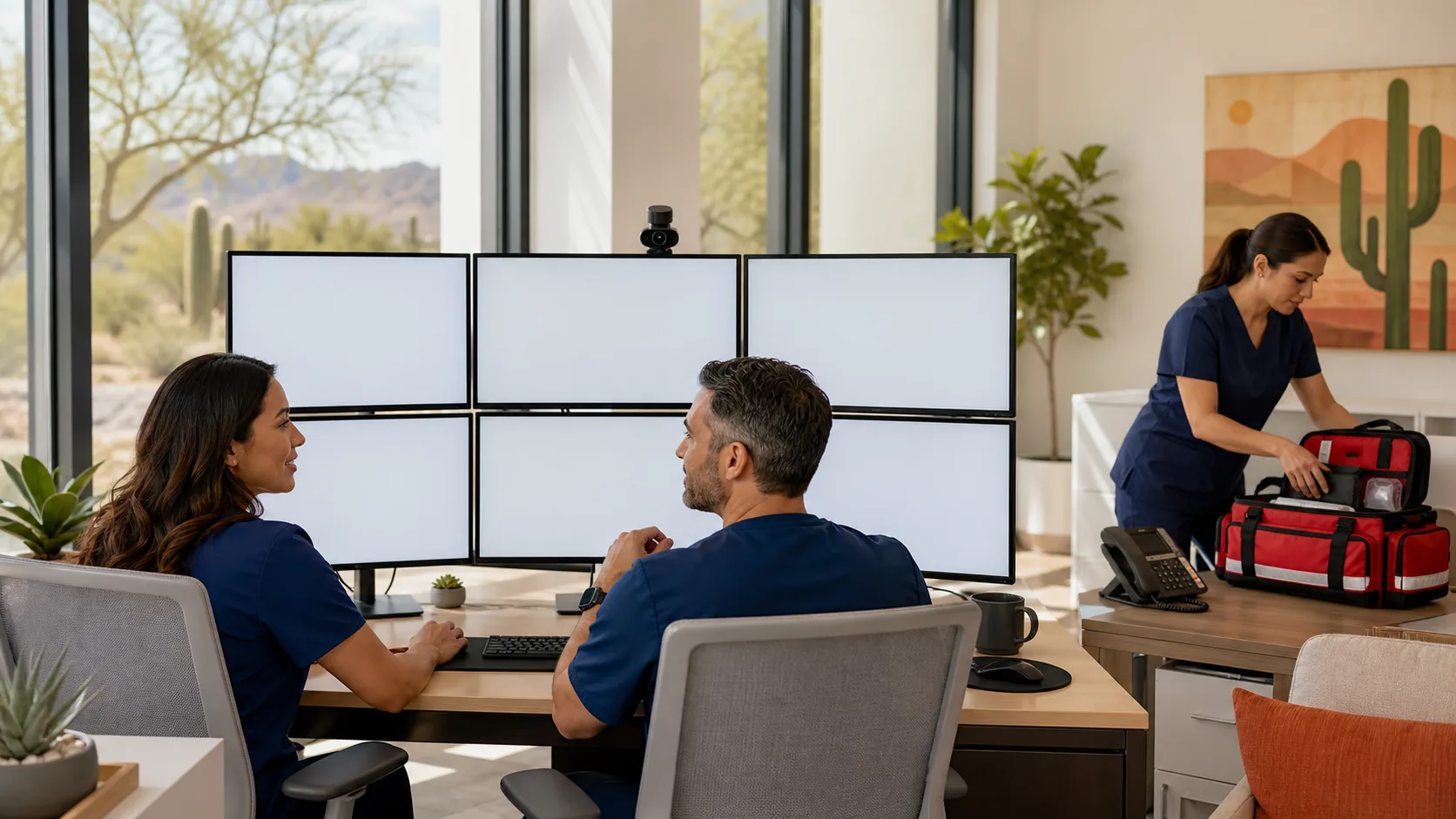
At-home ketamine can offer real comfort, privacy, and flexibility, especially when we are trying to keep up with life, family, and work. But when you use a powerful medicine at home, safety has to be planned on purpose, not left to chance.
Here, we will walk through how remote patient health assessment, wearable tools, and clear rescue steps can make at-home sessions safer. We will look at post-dose check-ins, what to track with vitals and wearables, how to build an emergency plan, and how to involve a support person in a way that feels respectful and calm.
Safer at-Home Ketamine Starts with a Plan
More people in Arizona and across the country are choosing at-home ketamine because it fits real life. You do not have to drive across town, sit in a waiting room, or arrange extra childcare. Being in your own space can also help you relax and open up to the mental health work you are trying to do.
But ketamine is strong medicine. It can shift mood, thoughts, and body sensations in a big way. Without structure, that mix of benefits and risks can feel scary, especially when days get shorter, routines change, and holiday stress or low mood creep in.
That is where planning comes in. A clear safety plan acts like a bridge between convenience and protection. When you know who is checking on you, what numbers to watch, and what to do if something feels off, you can focus more on your inner work and less on worry.
Why Remote Monitoring Matters for at-Home Ketamine
Ketamine does not only affect mood. It can also change what is going on in your body. During and after a dose, some people notice higher blood pressure or heart rate, changes in breathing, trouble with balance or walking, blurred vision or feeling “out of it,” or strong emotions and a sense of disconnection.
This is why a loose check-in like “message us if you feel bad” is not enough. A structured, remote patient health assessment gives you a plan with:
- Set video or phone check times
- Short symptom questions that are asked the same way each time
- Vitals taken on a set schedule, not just when you remember
With this kind of system, small problems can be spotted early. That can include blood pressure that stays higher than usual, confusion that lasts longer than expected, or emotions that feel too big to handle alone. It matters even more when the weather is worse, roads are busy with holiday travel, or it would be harder to get seen in person quickly.
Designing Smart Post-Dose Check-Ins That Patients Trust
A good post-dose plan follows a simple timeline so you always know what is coming next. A common structure might include:
- Immediate observation period right after dosing
- Short-term check about 1 to 2 hours later
- Same-day follow-up for body and mood
- Next-day review focused on mental health and function
During each remote patient health assessment, questions work best when they are simple, consistent, and clear. Most check-ins cover a few core areas:
- Vitals: blood pressure, heart rate, sometimes oxygen level
- Orientation: do you know who you are, where you are, what day it is?
- Mood and anxiety: feeling better, worse, or overwhelmed?
- Safety thoughts: any thoughts of self-harm or not wanting to be alive?
- Nausea, headache, or other pain
- Environment: are you steady on your feet, staying off the road, and away from dangerous tools?
The tone of these check-ins matters just as much as the content. You deserve care that is calm, nonjudgmental, and trauma-informed. In practice, that means we listen first and then guide, avoid shaming or pressure, and explain why we ask certain questions.
Tech should also match how you feel after a session. Many people are tired or a bit foggy, so it helps when joining a secure video visit, replying to a text-style message, or answering a quick app check is straightforward and does not require hunting for passwords or codes.
Using Wearables and Vitals to Guide Clinical Decisions
Home tools make it much easier to follow what your body is doing across sessions. Helpful devices can include:
- Blood pressure cuff
- Pulse oximeter for oxygen level and heart rate
- Smartwatch or fitness band
- Simple sleep or activity tracker
With your consent, your care team can look at patterns across time, rather than relying on one-off readings. For example, we may review how your blood pressure and heart rate look before, during, and after doses, whether there are any dips in oxygen level, and whether sleep is disrupted after treatment. We may also look for big changes in daily steps or activity and note alerts for odd heart rhythms from some wearables.
When this data is built into your remote patient health assessment, we can make smarter choices. If your blood pressure tends to spike in the late afternoon during darker months, earlier sessions might be safer. If your sleep crashes after evening doses, we might shift timing or adjust your overall plan. And if numbers continue to raise concerns, that can be a clear signal that you need an in-person evaluation or another type of care.
Step-by-Step Emergency Escalation and Rescue Planning
Every person using at-home ketamine should have a written rescue plan. This is not meant to scare you. It is meant to give you and your support person a calm checklist to lean on when stress is high.
A simple plan usually includes:
- When to pause future doses
- When to contact the telehealth team urgently
- When to call 911 or go straight to the ER
Red flag symptoms and situations can include:
- Chest pain or strong pressure in the chest
- Serious trouble breathing or very slow breathing
- Confusion that does not clear after the expected window
- Extreme agitation, panic, or thoughts of self-harm
- Uncontrolled vomiting or not being able to keep fluids down
- Any fall with a head hit or injury that might need stitches or imaging
On our side, an organized response means there are clear steps and support behind the scenes. It typically includes on-call clinicians, direct routing to urgent care or emergency services when needed, and a short “ketamine summary” we can share with ER teams so you do not have to explain everything while you feel unwell. Writing down what happened also helps us adjust future care for better safety.
Empowering Family and Support Persons as Safety Partners
A trusted support person can make at-home ketamine much safer and less lonely. The ideal helper is:
- Sober for the full session
- Present in the home, not just reachable by phone
- Calm and patient
- Familiar with your rescue plan
Before sessions, it helps to walk them through a few specifics so they feel confident and you feel supported:
- What is typical during a dose
- What would be a reason to get help fast
- How to contact your telehealth team and when to call emergency services
Simple scripts can help set expectations in a respectful way. For example: “You might see me get quiet or emotional. That is okay. Please stay with me, remind me I am safe, and watch my breathing and balance.”
We also take privacy seriously. You decide what your support person can share with us and what stays between you and them. As seasons bring family visits, stress, or grief, we can guide support people in how to offer care after sessions too, like giving space, helping with meals, or joining in calming routines, without taking over your process.
Take Control Of Your Health From Home Today
Our team at Arizona Telehealth Services is ready to help you manage your health with a convenient remote patient health assessment. We review your symptoms, medications, and medical history so you can catch issues early and stay on top of your care without leaving home. If you are ready to schedule an appointment or have questions about how telehealth works, please contact us today.