

Mind and Metabolism Working Together for Lasting Weight Loss
GLP-1 weight loss medications like Ozempic and Wegovy are getting a lot of attention for a reason. For many people, these prescriptions make it easier to feel full, eat less, and finally see the scale move. Here in Arizona, where pool days and desert hikes are part of life, it is easy to see why so many are curious about these options.
But weight loss is never just about food and numbers. GLP-1s affect appetite and metabolism, and they can also shift mood, body image, and daily routines. When your body changes, your mind has to catch up. A remote mental wellness coach can bridge that gap and help turn early progress into long-term habits.
At Arizona Telehealth Services, we bring medical care and mental wellness support together online. This makes it easier to get help before swimsuit and travel season hits, so you can feel more prepared both inside and out.
How GLP-1 Medications Change More Than Your Appetite
GLP-1 medications are often used for weight loss and blood sugar support. In simple terms, they work with hormones that help your body:
- Slow digestion so you feel full longer
- Reduce cravings and mindless snacking
- Support more steady blood sugar levels
When this happens, many people find their relationship with food starts to shift. Old habits, like finishing a plate just because it is there, no longer feel the same. Social plans that used to be built around big meals may start to feel awkward. Some notice they are not as excited about certain foods, which can be strange if those foods were part of comfort or culture.
As weight drops, emotions can become more intense. You might feel proud one day, then anxious the next. Common thoughts include:
- Worry about weight coming back if the medication stops
- Stress when the scale stalls for a week or two
- Feeling unsure about attention or comments from others
- Confusion as clothes fit differently and body shape changes
These reactions are normal. Big changes in your body can trigger old fears or new pressure, especially as summer events, trips, and family gatherings stack up. Proactive emotional support can make it less likely that frustration or anxiety will lead to self-sabotage.
Why a Remote Mental Wellness Coach Matters on GLP-1
A remote mental wellness coach is a professional who focuses on habits, mindset, and day-to-day coping skills. Coaching is not the same as therapy, and it does not replace medical or psychiatric care. Instead, it works alongside those services to give you support with the practical and emotional parts of change.
A remote mental wellness coach can help you:
- Plan for social events without feeling pushed into overeating
- Stay grounded during vacations and schedule changes
- Work on self-talk when you look in the mirror or step on the scale
- Keep going when weight loss slows or plateaus
Many people on GLP-1 medications notice emotional eating patterns that have been there for years. Stress, lack of sleep, and low mood can still trigger old urges, even if your appetite is lower. A coach can help you spot your warning signs and choose different tools that do not involve food.
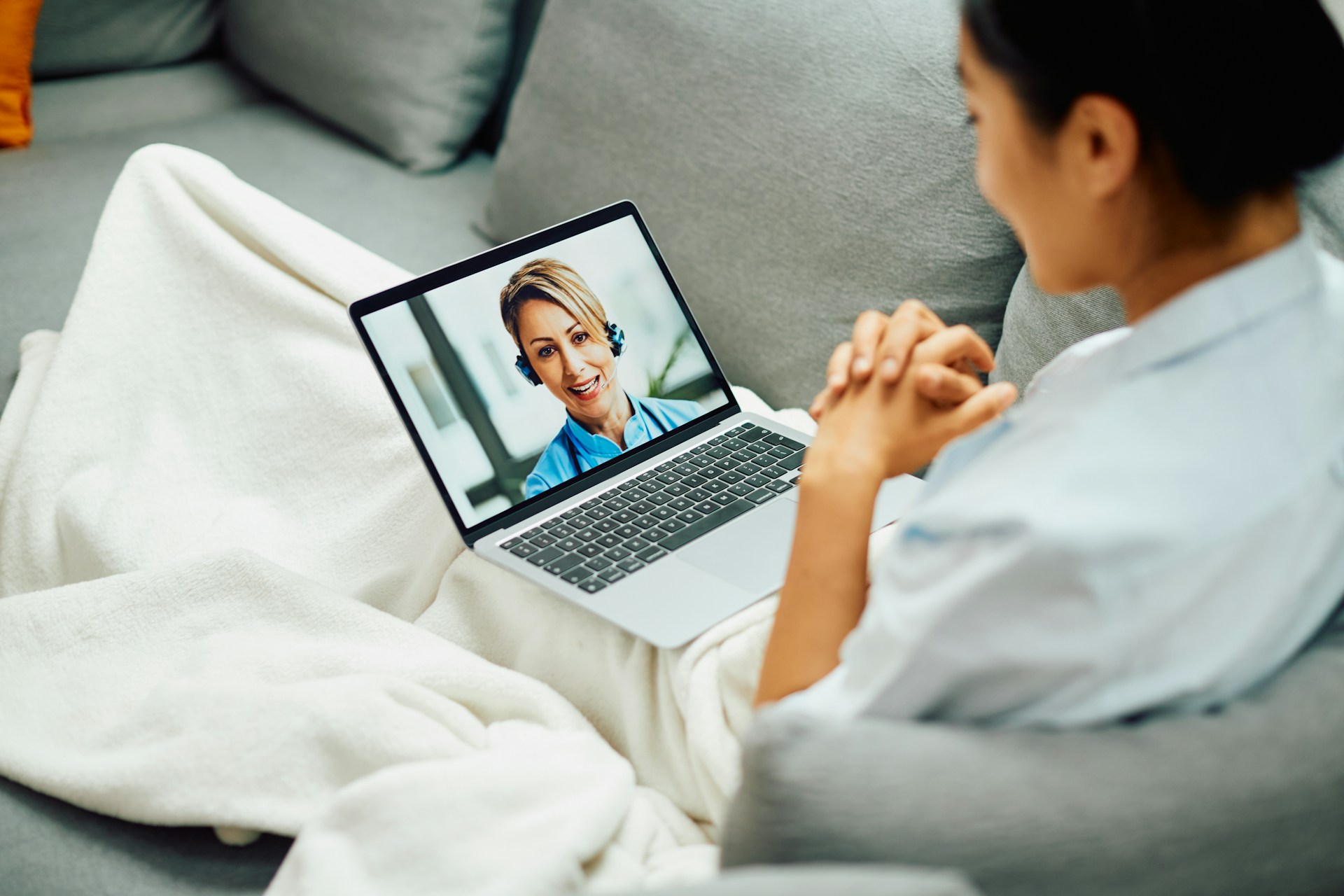
Remote care has its own perks, especially for busy adults in Arizona. Sessions can be done from home, at work during a break, or even from a quiet spot while traveling. There is no driving in the heat, no waiting room, and more privacy for people who like to keep health changes low-key.
Building a Mindset Plan with Your GLP-1 Treatment
When medical care and mental wellness support are coordinated, it is easier to see the whole picture. With GLP-1 treatment, a medical provider may focus on:
- Choosing the right medication and dose
- Checking in on side effects and overall health
- Tracking weight, waist size, and other physical markers
At the same time, a remote mental wellness coach can support your mindset and routines. A simple mental wellness plan might include:
- Weekly or biweekly video check-ins to talk through wins and struggles
- Setting realistic goals for movement, meals, and self-care
- Tracking mood, energy, sleep, and stress along with weight changes
Coaches often use practical tools such as:
- Personalized strategies for times when cravings hit
- Pre-planning for long weekends, pool parties, or out of town trips
- Digital journaling to notice patterns in thoughts and emotions
- Brief telehealth check-ins when you feel stuck or discouraged
Seasonal timing matters too. Late spring is when many people start thinking about swimsuits, reunions, and summer plans. Laying out a mindset plan now can help you walk into those moments with more confidence, realistic expectations, and a clear support system.
When Coaching, Therapy, or Medication Is the Right Fit
It helps to know the difference between a remote mental wellness coach and a licensed mental health therapist. Both can be very helpful; they just play different roles.
Remote coaching is usually a good fit when you want help with:
- Building better habits around food, movement, and sleep
- Staying accountable to goals your medical provider sets
- Working on mindset, confidence, and day-to-day stress
- Handling comments or questions from friends and family
Therapy or psychiatric care may be a better option when you are dealing with:
- Ongoing anxiety or panic that gets in the way of daily life
- Depression, loss of interest, or trouble getting out of bed
- Past trauma that still feels raw or easily triggered
- Thoughts of self-harm or wanting to give up
At Arizona Telehealth Services, our licensed providers are able to screen for mental health concerns while they support your medical care. If needed, they can talk with you about options such as therapy, ketamine treatment, or other approaches that may fit your situation. Coaching can work alongside these services so your whole self, not just your weight, is supported.
It is also normal for your needs to change over time. You might start with coaching, then decide you want therapy, or start in therapy and later add coaching when you are ready to work more on habits. Ongoing communication with your care team helps you adjust your support as your body and life keep changing.
Start Your GLP-1 Journey with Whole-Person Support
GLP-1 medications can be a powerful tool, but they are only one part of the story. Mindset, emotions, daily routines, and support systems all play a big role in whether weight loss feels sustainable or stressful.
When medical GLP-1 care is combined with a remote mental wellness coach, many people find it easier to stick with treatment, handle setbacks without giving up, and build a deeper sense of self-trust. At Arizona Telehealth Services, we offer fully online care for weight loss, mental health, ketamine therapy, hormone balance, primary care, and urgent needs, so you can get help in a way that fits your life.
A simple first step is to pause and think about where you struggle most with weight loss right now. Write down two or three goals or worries, even if they feel small or messy. Bringing those notes into a virtual visit can help you and your care team create a plan that respects your body, your mind, and your real everyday life.
Take The First Step Toward Better Mental Health Today
If you are ready to explore flexible, compassionate support that fits your life, we are here to help at Arizona Telehealth Services. Connect with a dedicated remote mental wellness coach who can work with you on your schedule and from your preferred space. We will guide you through a simple intake process so you can start focusing on what matters most to you.