

Safer at-Home Ketamine Care Starts with Awareness
Ketamine therapy can be a helpful tool for mental health when it is used carefully and under medical guidance. With busy fall schedules, many people prefer at-home telehealth care instead of driving to a clinic after work, school, or kids’ activities. That convenience is great, but it also means we need to be very clear about ketamine therapy side effects and safety.
When you know what is normal and what is not, you can feel calmer going into each session. Ketamine can be safe and effective when patients and providers work together, communicate clearly, and respond early if something feels off. Our team focuses on physician-led protocols and real-time virtual support so you are not left guessing alone at home.
We want you, and anyone supporting you, to recognize what your body and mind may feel during treatment, how long those feelings usually last, and when it is time to get urgent help. Awareness is the first step toward safer care.
What to Expect: Common Ketamine Therapy Side Effects
Some ketamine therapy side effects are expected, especially during and right after a session. These are usually short-term and fade as the medicine wears off. Many people describe them as strange or new, but not always scary once they know what to expect.
Common short-term side effects can include:
- Dizziness or feeling unsteady when standing
- Mild nausea or queasiness
- Changes in perception, like colors or sounds feeling different
- A “floaty” or “not fully in my body” feeling
- Mild changes in blood pressure or heart rate
- Feeling tired or drained for a few hours
These effects happen because ketamine changes how certain brain receptors work for a short time. That shift can affect mood, pain, and perception. In most cases, these effects start during the session, peak within the first hour or so, and then fade over the next few hours.
To stay more comfortable at home, many people find it helpful to:
- Drink water before and after a session, if your care plan allows
- Keep the room dim and quiet
- Use soft music or white noise
- Plan sessions when house demands are low, especially as school and work pick up in the fall
- Rest afterward instead of going straight back into heavy tasks
Ketamine should never be taken without medical guidance. Even “mild” side effects matter, and they are part of what we monitor with you over telehealth.
Red Flags That Need Immediate Medical Attention
Some reactions are not routine side effects and need fast action. Knowing these red flags ahead of time can help you and any support person stay calm and act quickly.
Urgent warning signs can include:
- Chest pain or strong chest pressure
- Severe or ongoing high blood pressure if you are monitoring at home
- Trouble breathing or feeling like you cannot catch your breath
- Intense confusion or agitation that does not ease as the medicine wears off
- Hallucinations that stay very strong or do not fade after the session
- Thoughts of self-harm or harming others
It is normal for ketamine to shift how you sense time, sound, or your body for a short while. For example, you might feel like time is moving slow, or music sounds deeper. That alone is not usually dangerous.
What is more concerning is when:
- You cannot tell where you are or who you are with, even after some time has passed
- You feel panicked, very scared, or out of control
- You have dark, unsafe thoughts that feel sticky or powerful
If a symptom feels extreme, new, or scary, it is better to treat it as serious. Have a clear plan before you start treatment so you know when to contact your telehealth physician and when to call 911. It is helpful to have this information ready:
- What dose you took and when
- What symptoms you feel, and when they started
- Any medications or substances you used that day
When in doubt, choose the safest option and seek emergency care.
Monitoring Side Effects in at-Home Telehealth Sessions
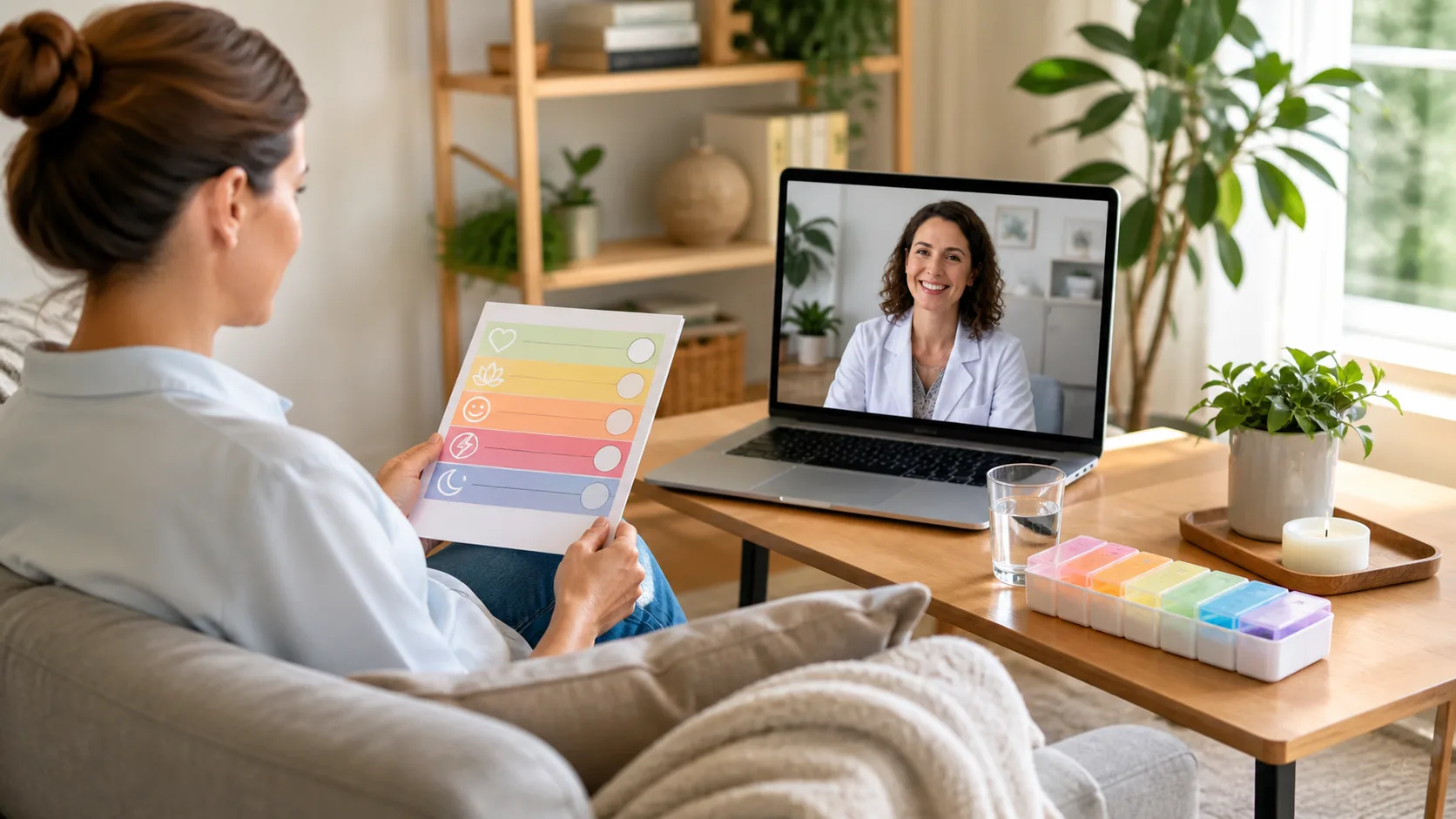
With supervised at-home care, you are not doing this alone. A typical ketamine session with a telehealth model often includes:
- A pre-session screening, where we review your recent health, meds, and mood
- Real-time or closely timed virtual check-ins around the session window
- A post-session follow-up to talk about how you felt and what you noticed
Tracking ketamine therapy side effects helps us adjust your care plan. Simple tools can make a big difference:
- A symptom or mood journal, even just brief notes on your phone
- A 1 to 10 mood scale before and after each session
- A home blood pressure cuff, if your physician suggests it
- A calendar to log session dates, sleep, and appetite changes
Sharing this information during telehealth visits helps your provider see patterns, such as which time of day works best or which dose is most comfortable.
Safety planning for your home matters too, especially as days get shorter and evening traffic grows heavier in Arizona:
- Have a trusted support person in the home or on call during sessions if your plan recommends it
- Avoid driving, using heavy equipment, or making big decisions for the rest of the day
- Keep schedules lighter on session days, and give yourself space to rest after treatment
Taking these steps turns your home into a safer, calmer treatment space.
How Your Health History Shapes Side Effect Risks
Your medical history plays a big role in how ketamine therapy side effects may show up. That is why a careful review before starting treatment is so important.
Certain conditions can raise risk, such as:
- High blood pressure or heart disease
- Uncontrolled thyroid problems
- Some mental health diagnoses, especially with past psychosis or certain mood patterns
- Breathing issues or sleep problems
Medications and substances can also interact with ketamine. For example, we pay special attention if you use:
- Benzodiazepines or other sedatives
- Alcohol
- Recreational drugs
- Some antidepressants or mood stabilizers
Complete honesty with your telehealth physician is not about judgment. It is about safety. When we understand your full picture, we can tailor dosing, frequency, and monitoring. That can include ordering lab work when it is appropriate and adjusting your plan as you share updates over time.
This careful process also matters if you are getting other care, like hormone optimization, treatment for anxiety or depression, or support for weight management. Your care team needs to know how everything fits together.
Partnering with Your Telehealth Team for Safer Relief
Safer ketamine care is a team effort. Your role is to speak up about what you feel, follow the safety steps we agree on, and keep your visits, even when life gets busy in the fall. Our role is to listen, adjust, and guide you with clear, calm support.
It can help to keep a short list of questions handy for your telehealth visits, such as:
- Which ketamine therapy side effects are expected for me, based on my health history?
- What should my support person watch for during and after sessions?
- How do ketamine sessions fit with my current mental health meds or hormone care?
- What changes should I report right away between visits?
At Arizona Telehealth Services, we believe that clear information lowers fear. When you understand what your body and mind may do during treatment, you are better prepared to notice problems early and to enjoy the benefits more safely as the seasons change.
Understand Your Options With Safe, Informed Ketamine Care
If you are considering ketamine treatment, knowing the potential ketamine therapy side effects is essential to making a confident decision. At Arizona Telehealth Services, we take time to explain what to expect, answer questions, and tailor each treatment plan to your needs. We invite you to schedule a consultation so we can review your medical history, discuss your goals, and determine whether ketamine therapy is appropriate for you.