

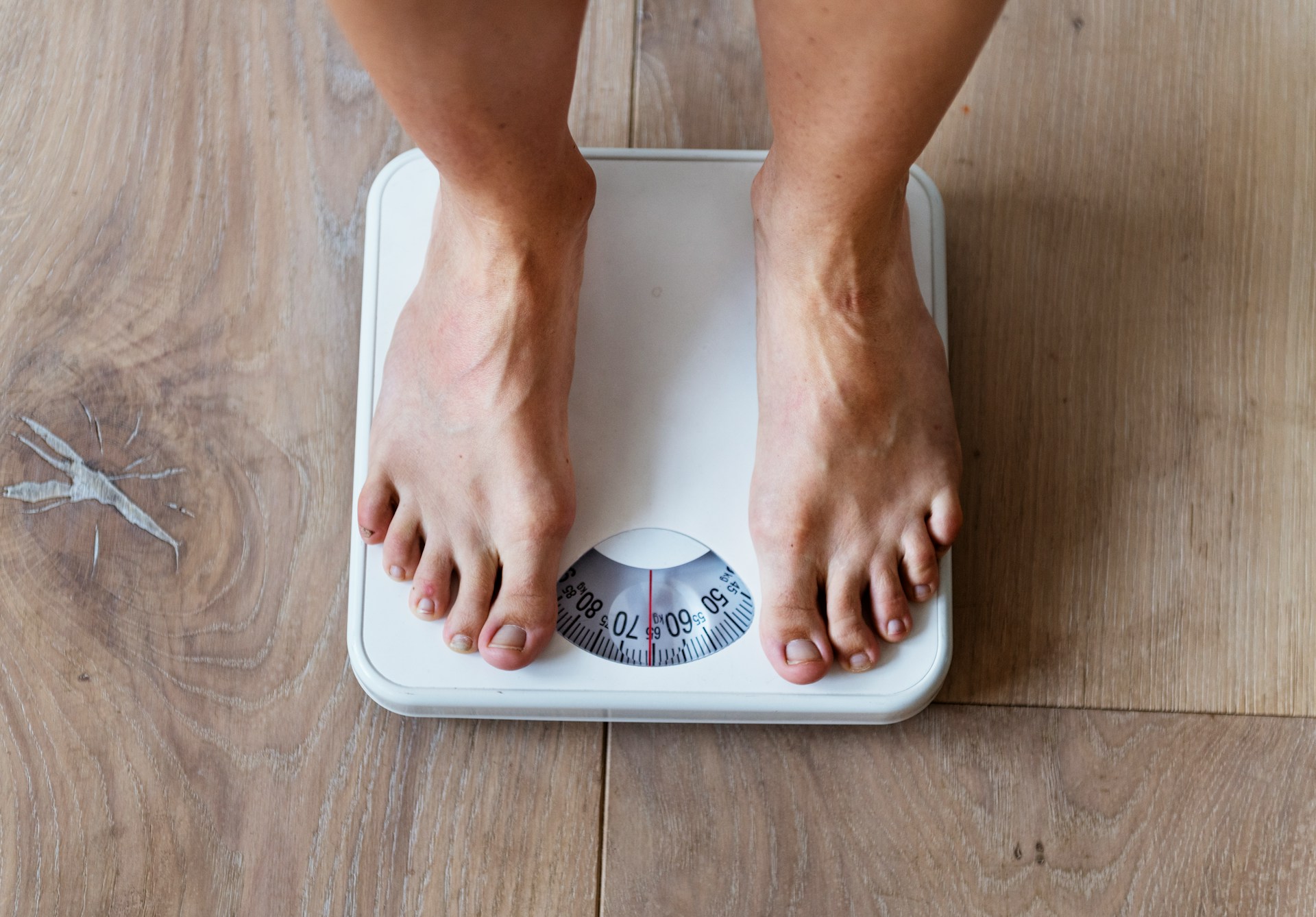
When Sudden Weight Gain Is Not Just About Food
Sudden weight gain can feel confusing and frustrating. You step on the scale after a busy summer, and by early fall the number is up, even though you did not change much with food or exercise. Your clothes feel tight, your energy is off, and it just does not make sense.
Often, the body is trying to send a message. Hormones quietly direct appetite, sleep, mood, and how quickly we burn calories. When they shift, weight can jump in a way that has little to do with willpower. In this article, we will talk about how hormones can trigger rapid changes, what signs to watch for, and how online care can help you figure out what is really going on, from the comfort of home.
Hidden Hormone Imbalances That Pack on Pounds
Hormones are like text messages between your organs. When those messages get mixed up, your body can start storing weight even if your habits look the same.
Some of the most common hormone players in sudden weight gain are:
- Thyroid hormones: When thyroid levels are low, metabolism can slow. People may notice feeling cold, tired, foggy, or constipated, along with weight gain that feels “stuck.”
- Cortisol: This stress hormone can rise with long workdays, emotional stress, or poor sleep. Higher cortisol is often linked to belly fat, restless nights, and feeling “tired but wired.”
- Insulin: This hormone helps move sugar from your blood into your cells. When insulin is off, you might get big energy crashes, strong carb or sugar cravings, and weight gain around the middle.
- Sex hormones: Estrogen, progesterone, and testosterone shift in all genders over time. Changes can show up as mood swings, lower sex drive, less muscle, or new fat around the hips, belly, or chest.
Life stages and daily stressors that can trigger these shifts include:
- Perimenopause and menopause
- Gradual testosterone decline in men
- Postpartum hormone changes
- Starting, stopping, or changing birth control
- Chronic stress at work or home
- Disrupted sleep as school and work routines ramp back up in late summer and fall
Red flags that weight gain may be hormone-related instead of just lifestyle include:
- Rapid gain over a few months without big changes in eating
- Weight mainly in the belly or around the waist
- Ongoing fatigue that does not match your schedule
- Hair thinning, dry skin, or new acne
- Mood swings, irritability, or feeling low
- Lower sex drive or irregular menstrual cycles
If several of these sound familiar, it is worth asking if hormones are part of the picture.
How Online Hormone Testing Finds the Real Culprit
A virtual hormone evaluation is more than a quick chat. It is a detailed look at your symptoms, history, and daily life to see how the pieces fit together.
A typical online visit may include:
- Review of your recent weight changes, sleep patterns, stress, and menstrual or sexual health
- Discussion of current medicines, supplements, and past medical history
- Focused questions about energy, mood, cravings, and body temperature
Based on that, a clinician may suggest targeted labs. Common tests include:
- Thyroid panel, such as TSH, Free T3, and Free T4
- Sex hormones like estrogen, progesterone, and testosterone
- Cortisol levels
- Fasting glucose and insulin
- Vitamin D and B12, since low levels can add to fatigue or mood changes
Labs are usually done at a nearby draw station or, in some cases, with an at-home kit if that fits the plan. Results are then reviewed together in another online visit, where you can see your numbers and talk through options.
Telehealth can be especially helpful as summer fades and schedules fill up. There is no commute in the Arizona heat, no waiting room, and your plan, notes, and lab results stay organized in one digital space that you can review later.
When Hormone Replacement Therapy for Weight Gain Makes Sense
Hormone replacement therapy for weight gain is not a magic fix or a trendy diet shot. It means using carefully chosen hormone medicines to correct real imbalances shown on labs, paired with a thoughtful plan and regular monitoring.
Situations where hormone replacement might be considered include:
- Menopause or perimenopause with hot flashes, sleep problems, mood changes, and stubborn weight gain
- Low testosterone with loss of muscle, low energy, low mood, or decreased sex drive
- Underactive thyroid with slow metabolism, fatigue, and weight changes
- Clearly abnormal hormone labs plus ongoing symptoms, even after lifestyle changes
Treatment can include bioidentical or conventional hormone options, depending on what is appropriate and safe for your health history. The key is that dosing is not guessed. It is guided by your symptoms, your goals, and your lab results over time.
There are also risks and possible side effects. That is why hormone therapy needs:
- A licensed clinician who understands your full medical history
- Regular follow-up visits to see how you are feeling
- Repeat labs at safe intervals to watch your levels and adjust doses
At our telehealth practice, we see hormone care as a steady process, not a one-time fix. When weight is part of the concern, we keep an eye on how your body composition, sleep, and mood respond, then fine-tune from there.
Pairing Hormone Care with Smart Lifestyle Tweaks
Hormone support works best when your daily habits support it. This does not mean a strict diet or living in the gym. It means simple, targeted changes that match how your hormones work.
Helpful strategies often include:
- Higher protein at meals to steady blood sugar and support muscle
- Plenty of fiber from vegetables, fruits, beans, and whole grains
- Resistance training a few times a week to protect muscle and metabolism
- Calm, consistent sleep routines to help cortisol settle
As late summer turns into fall in Arizona, days can still be hot, but schedules usually speed up. It can help to think ahead:
- Plan short movement breaks instead of long, intense workouts you will skip
- Prep simple, balanced meals on cooler evenings so busy weekdays feel easier
- Set screen limits at night, and choose relaxing wind-down habits so your brain gets the message that it is time to rest
The big difference between generic dieting and a hormone-aware plan is stress. Crash diets, very low calories, or endless cardio can spike stress hormones, make cravings worse, and slow metabolism. A hormone-aware approach respects your body. It aims for steady progress that feels doable in real life, not fast results that vanish.
Working with a telehealth provider, you can sort through all the conflicting advice and build a plan that fits your routine, your labs, and your goals.
Take the First Step Toward Balanced Hormones Online
If you see yourself in these patterns, it may be time to stop blaming willpower and start asking different questions. Sudden weight gain, especially around the middle, with low energy, mood shifts, or sleep trouble, often has a hormonal story behind it.
At Arizona Telehealth Services, we focus on that story. Through online visits, we talk through your symptoms and goals, decide whether hormone testing, hormone replacement therapy for weight gain, weight loss medicines, or mental health support make sense, and create a clear, step-by-step plan. With flexible virtual care designed for busy seasons and Arizona life, you do not have to wait for things to get worse before you get answers.
Take Control Of Weight Gain With Personalized Hormone Support
If weight changes are affecting your health and confidence, we are here to help you understand what your hormones are telling you and what to do next. At Arizona Telehealth Services, we provide individualized care that looks at your full health picture before recommending any treatment. Learn how our targeted approach to hormone replacement therapy for weight gain can support your long-term wellness goals. Schedule a telehealth visit today to talk with a provider about your symptoms and next steps.