

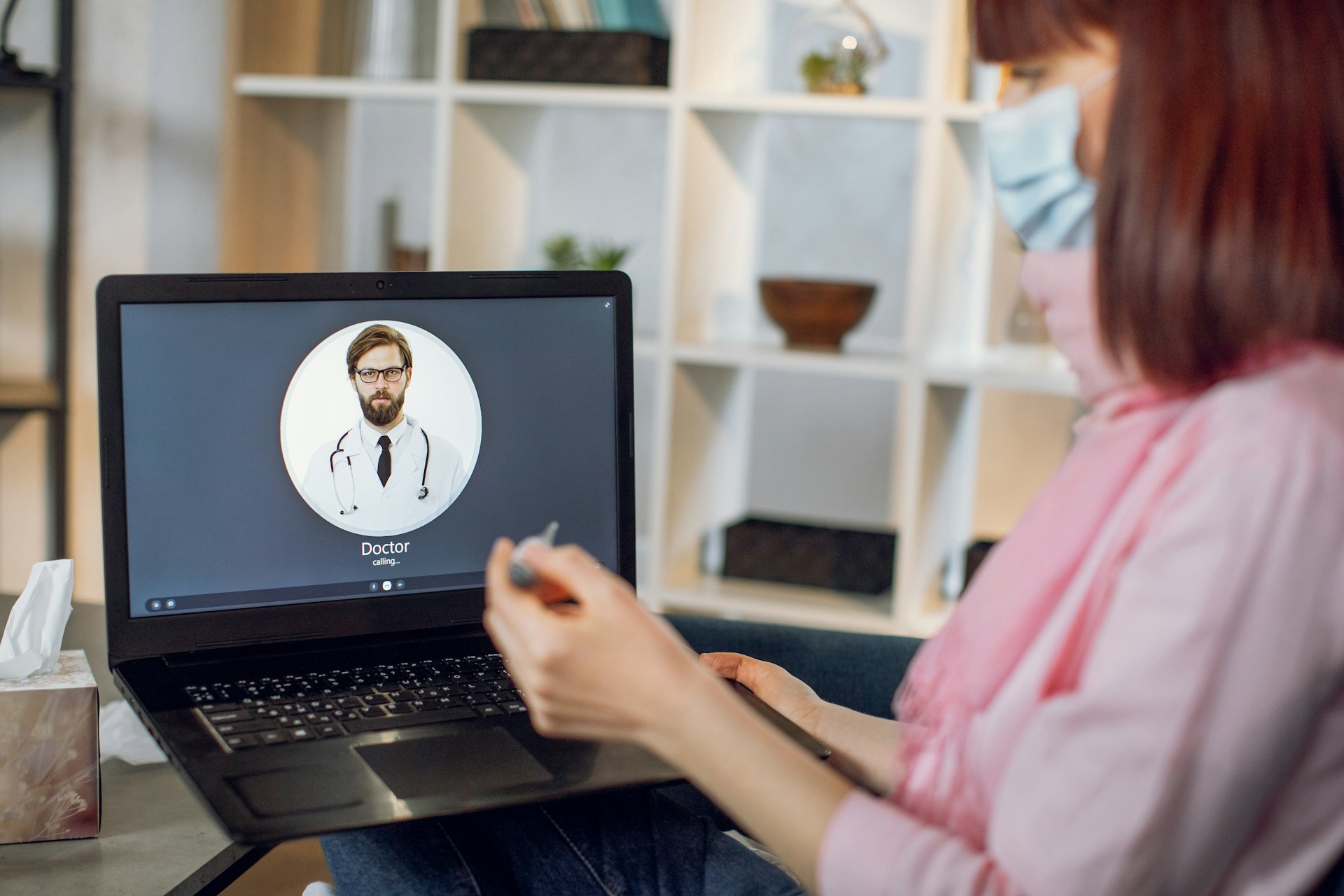
Ketamine-assisted therapy can be a helpful option when depression, anxiety, PTSD, or chronic pain have not responded well to other treatments. It is not a quick fix, and it is not right for everyone. Careful medical screening is one of the best ways to keep this treatment safer and more predictable, especially when it is started through telehealth.
As late summer brings travel, back-to-school stress, and shifting schedules in Arizona, many people want flexible care that still feels thorough and personal. A professional online medical screening for ketamine lets a licensed clinician review your health, risks, and goals before anyone talks about starting treatment. This checklist walks through what that screening can include, what labs and vitals matter, red flags to know about, and when you may need in-person clearance first. It is for education only and is not a substitute for direct medical advice from an Arizona-licensed provider.
Is Ketamine Telehealth Right for You This Season?
When life feels heavy and usual treatments have not helped enough, ketamine-assisted therapy can sometimes offer another path. It is being used as part of care plans for conditions like treatment-resistant depression, anxiety, PTSD, and certain types of chronic pain. Because ketamine affects your brain, heart, and blood pressure, careful safety screening is always important, even when visits are online.
Late summer in Arizona can be intense. Kids are heading back to school, routines are changing, people are traveling, and the heat adds another layer of strain. During these busy weeks, telehealth can make it easier to start the process without fighting traffic or sitting in a waiting room. But flexible access should still come with careful screening.
Keep in mind:
- Telehealth ketamine screening should always be run by licensed medical professionals
- Screening should happen before any treatment is offered
- This article is for general education, not personal medical advice
What a Professional Ketamine Telehealth Screening Includes
A professional online medical screening for ketamine is more than a quick chat. It should feel like a structured medical visit, just through a screen. The clinician will usually review:
- Your medical history, including heart, liver, kidney, eye, and neurologic conditions
- Your mental health history, including mood symptoms, trauma, and past treatments
- Your current medication list, allergies, and past reactions to anesthesia or sedatives
During a secure video visit, the provider can ask targeted questions, review symptoms in depth, and use validated mental health scales. These might include tools for depression, anxiety, PTSD, and substance use. The goal is to understand your baseline, not to rush to a prescription.
At Arizona Telehealth Services, our visits are physician-led and organized into clear visit types, such as initial ketamine consults, follow-ups, and urgent question visits. Transparent expectations help you know what each visit is for and how it supports your overall plan.
Essential Labs Before Starting Ketamine Therapy
Lab work is often a key part of screening, especially if you have other medical conditions. Many clinicians consider ordering a few core tests before moving ahead. These can help check organ function and uncover silent problems.
Common labs may include:
- Basic metabolic panel, to look at electrolytes and kidney function
- Liver function tests, to see how your liver is working
- Lipid profile, when there are concerns about cholesterol or metabolic health
Depending on your age, history, and current health, your clinician may also suggest:
- Complete blood count, to screen for anemia or infection patterns
- Thyroid panel, if mood symptoms or energy changes might relate to thyroid issues
- Pregnancy test for people who can become pregnant
- HbA1c, especially with diabetes, obesity, or blood sugar concerns
In some cases, lab results may guide other testing such as ECG-related labs if there are heart concerns or certain medications involved. During a professional online medical screening for ketamine, these labs can often be ordered electronically so you can use a nearby draw site in your part of Arizona.
Vitals and Mental Health Screening You Should Expect
Even when visits are online, vitals still matter. Your clinician may ask you to provide recent readings from home devices, a pharmacy, or another clinic. Typical vitals include:
- Blood pressure and heart rate, to look for high readings or rhythm concerns
- Oxygen saturation, to get a sense of your breathing and circulation
- Temperature, to rule out acute illness
- Weight and height, to estimate BMI and guide dosing
Mental health screening is just as important as physical screening. Your provider may use:
- PHQ-9, to measure depression symptoms
- GAD-7, to assess anxiety
- PTSD screens, if trauma is part of your history
- Substance-use questionnaires, to check for risky patterns
Arizona summers are hot, so preparing for your visit helps. Try to stay hydrated, sit in a cool, quiet space, and use a stable device with a good internet connection. A calm setting can make it easier to give accurate readings and focus on meaningful conversation.
Major Contraindications and Red Flags to Screen for
Ketamine is not safe for everyone. One of the main goals of screening is to spot problems early so your team can pause, adjust, or request in-person care first.
Cardiovascular red flags can include:
- Uncontrolled high blood pressure
- Recent heart attack or stroke
- Serious heart rhythm problems
- Unstable chest pain or angina
Mental health and neurologic concerns may include:
- Active psychosis or hallucinations
- Untreated bipolar I mania
- Very high suicide risk without a solid safety plan
- Uncontrolled seizure disorders
Other situations that may lead a telehealth clinician to be cautious or decline ketamine therapy include pregnancy, breastfeeding, active substance misuse, severe liver or kidney disease, and uncontrolled glaucoma. Screening does not always end in a green light, and that is part of safe care.
When Telehealth Is Enough vs. When You Need in-Person Clearance
Not everyone needs an in-person visit before starting or continuing ketamine therapy. Telehealth screening may be enough for people with:
- A stable, well-understood medical history
- Chronic conditions that are controlled
- No complex heart or neurologic disease
- Steady home support and a safe setting
On the other hand, we may ask for in-person clearance from a primary care provider, cardiologist, psychiatrist, or neurologist when there are:
- Unclear or changing diagnoses
- Abnormal labs that need a closer look
- Recent hospitalizations or ER visits
- Long medication lists with possible interactions
Sometimes a hybrid plan works best. You might start with a professional online medical screening for ketamine, then go for an in-person ECG or other testing, and then return to telehealth for follow-up and monitoring. This kind of shared care can balance convenience with safety, which matters in every Arizona season, but especially during the heat and rush of late summer.
Take The First Step Toward Safe, Personalized Ketamine Care
If you are considering ketamine therapy, our team at Arizona Telehealth Services is ready to help you determine whether it is an appropriate option for your needs through a thorough professional online medical screening for ketamine. We carefully review your health history, current symptoms, and treatment goals so you can move forward with clarity and confidence. Schedule your screening today so we can work together on a safe, evidence-informed path toward relief.