

Stop Waiting Rooms From Delaying Real Care
Long wait times and crowded lobbies make it hard to get real care when you actually need it. By the time you find a free appointment, your cough is worse, your mood is lower, or that strange fatigue is now part of every single day. It feels like you are always “waiting your turn” while your health sits on hold.
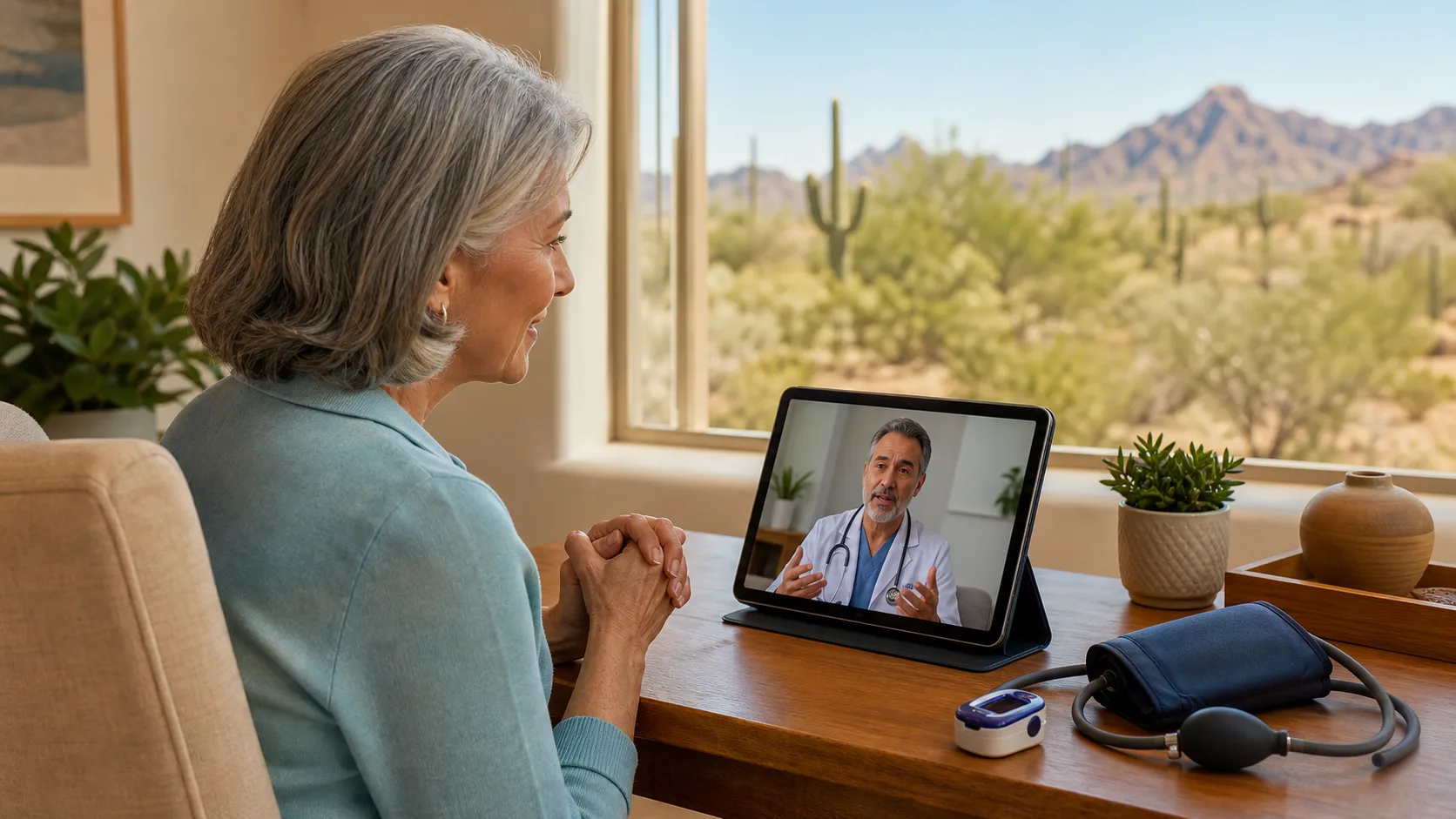
A remote patient health assessment offers another path. Instead of sitting in traffic and a waiting room, you talk with a licensed provider from home. This is especially helpful in fall and winter when flu, colds, and other illnesses spike and appointment slots disappear fast. A quick virtual check can uncover issues earlier, so small problems are less likely to grow into big ones.
Many people still avoid remote care because of old myths. They worry it is not accurate, not serious, or not safe. Those beliefs can quietly delay care for weight changes, hormone shifts, mental health struggles, and even urgent needs. Our team uses secure virtual assessments for a wide range of services, from weight loss and mental health support to primary and urgent care, all led by physicians here in Arizona.
Myth One: Remote Assessments Are Less Accurate
A lot of people think in-person automatically means better. They picture a doctor with a stethoscope, a quick exam, and then a plan. For complex issues like hormones, mood changes, or long-term conditions, it can feel strange to trust a screen instead of a clinic hallway.
But a well-done remote patient health assessment is more than a quick video chat. It is a structured process that pulls in details from many places, such as:
- Careful medical history and symptom review
- Guided video exams when needed
- Home monitoring devices, like scales and blood pressure cuffs
- Lab orders through local testing sites
For medical weight loss, this might mean tracking weight, blood pressure, and heart rate at home while sharing results with your provider. For depression or anxiety, it can include validated screening tools that help measure how you feel over time instead of guessing from a single rough day. For hormone concerns, your provider can order labs, review results with you on screen, and adjust your plan as needed.
With physician-led virtual care, the follow-up is built in. Instead of one rushed office visit, you get:
- Regular check-ins to see how you respond to treatment
- Adjustments based on shared data, not just memory
- A space to ask questions as new symptoms show up
Over time, that ongoing monitoring can lead to a more precise understanding of your health than a single in-person snapshot.
Myth Two: Remote Care Is Only for Minor Issues
Many people think online care is only for a quick rash, a sore throat, or a refill on a usual medicine. Anything more serious, they assume, must wait for an in-person visit, even if that means weeks of not feeling well.
In reality, a remote patient health assessment can help with a wide list of concerns. Providers can safely evaluate and manage more complex needs, such as:
- Obesity and metabolic health issues
- Hormone imbalances and related symptoms, like low energy or sleep changes
- Screening for ketamine therapy candidacy
- Ongoing primary care concerns
- Many urgent problems that do not require hands-on procedures
As flu, RSV, and COVID-19 become more common in cooler months, virtual visits can help you sort out what to do next. A provider can review your symptoms, give home care guidance when it is safe, and explain when you should seek in-person testing or go to the ER.
When an issue needs more than virtual care, remote services are not a dead end. Your provider can:
- Order local labs or imaging when needed
- Recommend in-person follow-up with a nearby clinic or hospital
- Share clear instructions about what to watch for and when to get emergency help
This way, remote care works as the front door, not a side path, to serious medical support.
Myth Three: Online Care Is Impersonal and Rushed
Many patients have had visits where they felt like a number on a screen. The provider was running late, the visit felt rushed, and key questions never got asked. It is natural to worry that telehealth will be even more distant, with less time and attention.
Surprisingly, virtual care can feel more personal. You meet from your own space, not a busy lobby. Your provider can focus on you, without hallway interruptions or someone knocking on the door. During a remote patient health assessment, there is more room for:
- Slower, more thoughtful questions about your history
- Screen sharing to walk through lab results in real time
- Clear education on treatment choices
Many people also find it easier to open up about sensitive topics when they are at home. Talking about mood swings, sleep, weight, or private symptoms can feel safer when you are not sitting in a crowded office.
We build continuity through:
- Recurring virtual check-ins tailored to your health plan
- Personalized treatment steps that adjust as your life changes
- Secure messaging so quick questions do not have to wait for the next visit
With transparent pricing and clear expectations shared up front, you can focus less on surprise bills and more on getting honest about how you feel.
Myth Four: Remote Visits Are Not Secure or Legitimate
Some people worry that online care is not “real medicine.” Others are nervous about privacy. Health details are personal, and it can feel risky to share them through a screen.
Remote care through licensed Arizona physicians and clinicians follows the same clinical standards as a physical office. That includes proper documentation, safe prescribing, and thoughtful follow-up. The goal is always the same: protect your health and your information.
Secure systems support this by using:
- HIPAA-compliant platforms that are built for medical care
- Encrypted communication to protect your records
- Identity checks so your provider knows they are talking with the right person
Services such as ketamine therapy, medical weight loss programs, hormone optimization, and mental health visits are all guided by medical protocols. These protocols focus on safety, clear assessment, and regular monitoring, so care is structured and accountable, not casual or random.
Turn a 20-Minute Assessment Into Months of Better Health
Many people wait for a “fresh start” before facing their health. They plan to get serious after the holidays, after work slows down, or after family visits. In the meantime, fatigue, weight changes, mood shifts, or nagging symptoms keep stacking up.
A remote patient health assessment can be a small first step that opens up a bigger change. In a short visit, a provider can review your concerns, look over your history, and outline a path forward. That might include medical weight loss support, hormone evaluation, ketamine therapy screening, mental health treatment, primary care planning, or urgent care guidance when you are sick.
Here in Arizona, where seasons can swing from extreme heat to cooler months that bring busy respiratory seasons, it helps to have care that fits into your life instead of blocking your schedule. Choosing an online, physician-led assessment now can uncover concerns earlier and keep them from growing into next year’s emergencies.
Take Control Of Your Health From Home Today
Start your care journey with Arizona Telehealth Services by scheduling a convenient remote patient health assessment that fits your schedule and comfort level. We will review your medical history, current concerns, and wellness goals to create a personalized plan for ongoing virtual care. If you have questions before getting started, please contact us so we can help you choose the best next step for your health.