

As days get shorter and schedules get heavier, many people notice their mood and anxiety getting worse. If you have been struggling with depression, PTSD, or intense worry, you might be curious about an online ketamine infusion consultation but unsure what that really means. Our goal is to help you understand what happens in that first visit so you can decide if it fits your life this fall.
We will walk through how ketamine therapy works, who it might help, how an online visit is set up, and what safety steps are built in. We will also talk about how to prepare, what follow-up looks like, and how this kind of care can support you through the holiday season.
How Online Ketamine Care Fits Your Life This Fall
Fall in Arizona can feel like a reset. School is in full swing, work ramps up, and the holidays start creeping closer. At the same time, shorter days and stress can make depression and anxiety feel heavier.
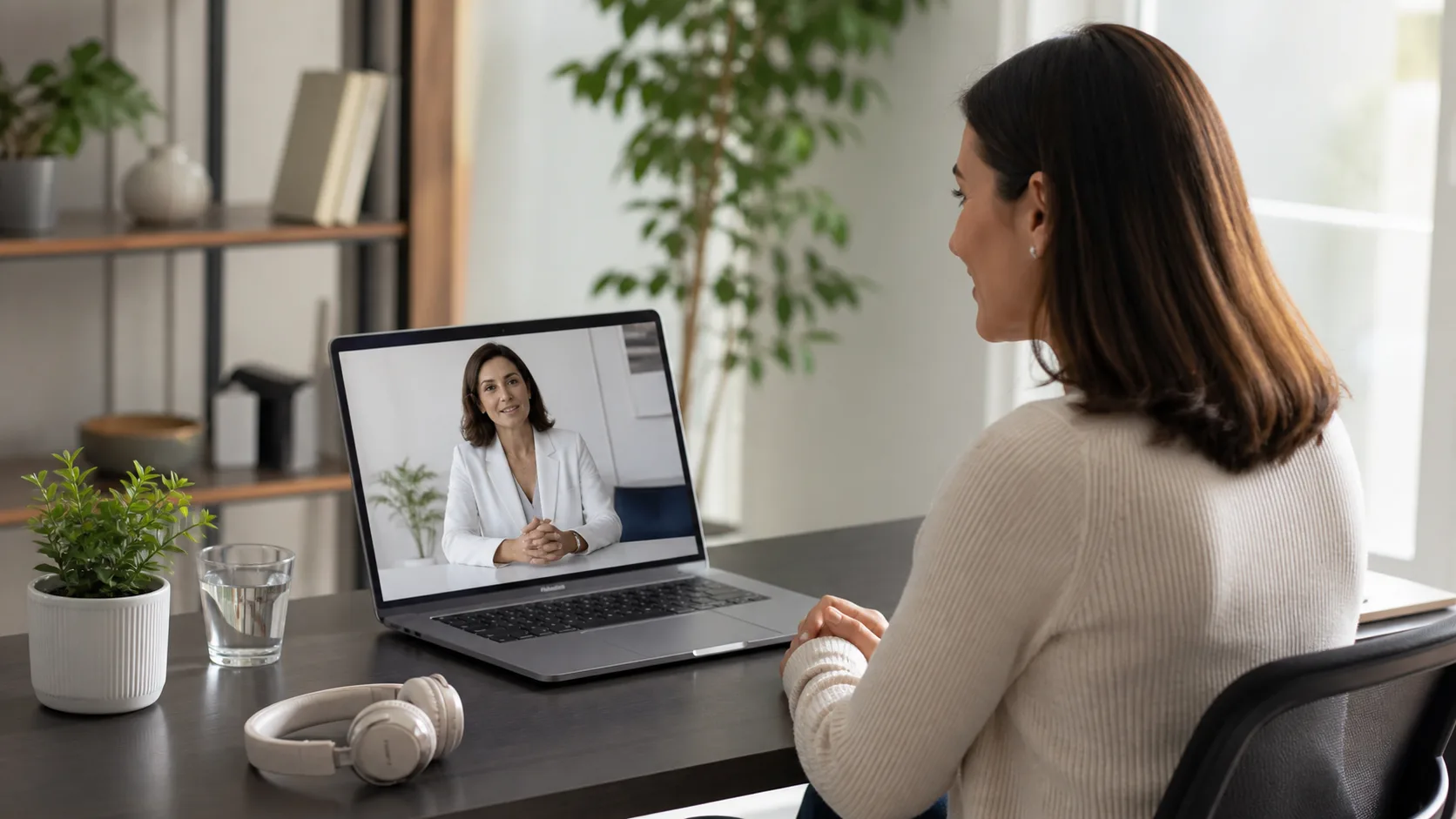
Online ketamine care can fit into that busy picture. Instead of driving across town and sitting in waiting rooms, you connect with a physician by secure video from home, work, or a quiet private space. You can explore an advanced treatment option without taking big chunks of time away from your daily routine.
During an online ketamine infusion consultation, you can:
- Talk with a physician about your symptoms and history
- Learn how ketamine treatment works in clear, simple language
- Ask detailed questions without feeling rushed
- Hear honest feedback on whether ketamine might be right for you
Our model is fully online and physician-led, with clear, upfront information about how care is structured. The goal is to reduce stress and confusion, so even the first step feels more manageable.
Understanding Ketamine Therapy: Is It Right for You?
Ketamine is a medication that has been used in medical settings for many years. In mental health care, it is used in controlled, lower doses to support people who have not responded well to standard treatments. It does not work like traditional antidepressants that you take daily and wait weeks to feel any change.
Instead, ketamine is given in a series of carefully planned sessions, often as an infusion in a monitored setting. It can affect certain brain pathways linked to mood, thought patterns, and how you process stress or trauma. For some people, this opens a window where therapy and lifestyle changes feel more possible.
People who might be a good fit to discuss ketamine include those who:
- Have tried several medications without enough relief
- Notice depression or anxiety getting worse in fall or winter
- Are in therapy but still feel stuck or deeply weighed down
- Have PTSD or certain kinds of chronic pain that are hard to manage
Not everyone is a good candidate. Ketamine may not be right if you have:
- Certain heart problems or very high blood pressure that is not controlled
- A pattern of active substance misuse
- Current, unmanaged psychosis or certain severe thought disorders
- A history of serious reactions to anesthesia or sedating drugs
During the online visit, the physician carefully screens for these issues. Telehealth makes this early decision step easier, so you can get expert input before committing to any in-person infusion plan.
Step-by-Step: What Happens in Your Online Consultation
Getting ready starts before the video visit. You set up your appointment time through a simple online process, then complete digital intake forms. These forms ask about your symptoms, medical history, mental health history, and current medications, including vitamins and supplements.
Before the visit, it helps to gather:
- A full list of your medications and doses
- Any recent lab work or medical records you have handy
- Notes about past treatments you have tried and how they felt
When it is time for your live video visit, the process usually includes:
- A quick identity check and basic tech check
- A detailed conversation about your mood, sleep, energy, and anxiety
- Review of current medications, past diagnoses, and previous treatments
- Use of simple screening tools for depression, anxiety, or PTSD symptoms
The physician then looks at the whole picture to see whether ketamine might be safe and appropriate. You will hear about possible benefits, common side effects, and what the actual infusion days may feel like. You can ask about driving after sessions, how long visits take, how many are usually recommended, and how this fits with therapy or other medicines.
You will also get clear information about how care is structured, so you understand what to expect before you decide to move forward. That can be especially helpful as you plan around holiday plans and year-end responsibilities.
Safety, Monitoring, and How Telehealth Protects You
Safety is at the center of any ketamine discussion. During your online consultation, the physician will review:
- Past heart issues, blood pressure trends, and other medical conditions
- History of substance use or addiction concerns
- Any prior problems with anesthesia or sedating medications
- Current mental health symptoms, including thoughts of self-harm
If you need labs, heart checks, or other testing, these are arranged with local resources so the infusion team has the information they need. Even though the evaluation happens online, actual ketamine infusions must take place in an appropriate, licensed setting with trained medical staff.
During ketamine sessions, patients are monitored closely. This usually includes:
- Regular checks of blood pressure, heart rate, and breathing
- Observation of mood, awareness, and comfort during the infusion
- A period of recovery time after the infusion before you go home
Follow-up telehealth visits help track how you feel in the days and weeks after sessions, especially as fall days get darker. We ask about mood changes, sleep, anxiety, work and school, and any side effects, so your plan can be adjusted when needed.
Your privacy is protected through secure platforms that meet medical standards. Mental health records, diagnoses, and treatment plans are kept confidential.
Preparing for Your Visit and Planning Next Steps
A little preparation can make your online ketamine infusion consultation smoother and less stressful.
For the practical side:
- Choose a quiet, private place with good lighting
- Test your internet, camera, and sound beforehand
- Have your medication list and any questions ready
- Keep headphones nearby for extra privacy if others are home
Emotional preparation matters too. Before the visit, you might:
- Notice how symptoms are affecting your work, school, or family life
- Think about patterns, like feeling worse in fall and winter
- Write down what a “better” season would look like for you
- Reflect on what you hope to gain, even if ketamine is not part of the final plan
After the visit, you can expect to receive a clear summary or plan. This might include ketamine infusion recommendations, other medication options, or suggestions for therapy and lifestyle support. We encourage coordination with your existing therapist or primary care doctor when possible, so everyone is on the same page.
Our team can also support related needs such as mental health follow-up, medication management, and general primary care, which helps keep your care in one connected place as you move through the season.
Take The Next Step Toward Personalized Ketamine Care
If you are ready to explore whether ketamine therapy is right for you, we invite you to schedule an online ketamine infusion consultation with Arizona Telehealth Services. We will review your history, answer your questions, and outline a treatment approach tailored to your needs. To discuss scheduling or specific concerns before you book, feel free to contact us.